
An Introduction to and the Importance of the Phytoplankton Chlamydomonas
- Dr. Algae

- Dec 29, 2025
- 3 min read
Updated: Jan 7
Chlamydomonas: A Nutritional Foundation for Aquatic Life

Chlamydomonas species serve as a critical food source for zooplankton. They provide essential nutrients that fuel freshwater food chains. These unicellular algae are packed with proteins, lipids, and carbohydrates, making them highly digestible and nutritionally valuable for filter-feeding organisms.
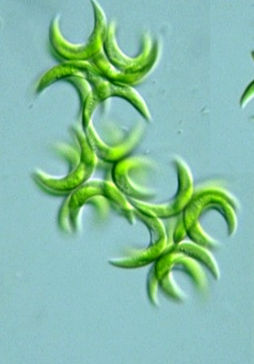
The nutritional profile of Chlamydomonas includes high-quality proteins containing essential amino acids. It also has omega-3 fatty acids that support zooplankton growth and reproduction. Additionally, it contains vitamins, including B-complex vitamins and vitamin E, as well as carotenoid pigments with antioxidant properties. This rich nutrient composition makes Chlamydomonas an ideal primary producer. It efficiently converts light energy and dissolved nutrients into biomass that sustains higher trophic levels. They are also mobile phytoplankton with multiple flagella (whip-like tails) that help propel them through water.
Nature's Biological Filter: Nutrient Uptake Capabilities
Beyond their role as a food source, Chlamydomonas species excel at removing excess nutrients from water. This makes them valuable allies in combating eutrophication. They compete for the nutrients that toxic algae need, thus maintaining water quality.
Nitrogen Consumption
Chlamydomonas demonstrates remarkable efficiency in nitrogen uptake across multiple forms. These algae can absorb ammonia directly through their cell membranes. This makes ammonia their preferred nitrogen source due to the low energy cost of assimilation. They also readily take up nitrate, which is one of the most common sources of nitrogen found in bodies of water.
Studies have shown that Chlamydomonas can remove significant quantities of nitrogen from water bodies. Under optimal conditions, these algae can consume nitrogen at rates ranging from 0.1 to 0.5 mg per billion cells per hour. This depends on environmental factors such as light intensity, temperature, and nutrient availability. This rapid uptake makes them particularly effective at reducing nitrogen pollution in aquaculture systems and wastewater treatment applications.
Phosphorus Removal
Phosphorus is a critical nutrient that Chlamydomonas removes from water efficiently. This is important because phosphorus is the limiting nutrient for toxic algae blooms and nuisance algae. Therefore, when phosphorus is utilized by beneficial algae instead of toxic cyanobacteria, we can essentially feed zooplankton while inhibiting the development of harmful algae blooms.
Chlamydomonas phytoplankton require phosphorus for energy metabolism, DNA synthesis, and cell membrane structure. Typically, Chlamydomonas cells contain 0.5% to 1% phosphorus by dry weight. They can achieve phosphorus removal rates of 0.01 to 0.05 mg per billion cells per hour under favorable conditions. The algae's ability to store excess phosphorus as polyphosphate granules allows them to remove more phosphorus than immediately needed. This provides a buffer against future scarcity and enhances their water purification capacity.
Applications for Sustainable Water Management
Understanding the dual role of Chlamydomonas as both a nutrient recycler and food source opens exciting possibilities for sustainable aquatic management. In aquaculture systems, cultivating Chlamydomonas can naturally control nutrient levels while providing live feed for fish larvae and invertebrates.
For bioremediation projects, these algae offer a cost-effective solution for removing excess nutrients from agricultural runoff, urban stormwater, and wastewater streams. They also support ecosystem restoration efforts by helping to reestablish balanced nutrient cycles in degraded water bodies.
Cultivating Balance in Aquatic Ecosystems
At Hydralife Solutions, we recognize that healthy freshwater systems depend on microscopic organisms like Chlamydomonas working in concert with other species. By understanding and supporting these natural processes, we can develop innovative solutions that harness the power of phytoplankton. This creates cleaner, more sustainable aquatic environments.
Whether you are restoring a natural water body or developing water treatment solutions, the remarkable capabilities of Chlamydomonas demonstrate that sometimes the smallest organisms can make the biggest difference.
For more information about implementing phytoplankton-based solutions for your water management needs, visit us at *www.hydralife.org or contact our team of aquatic specialists


Comments